

Have you ever picked up a board game and wondered where it came from? Chances are, it might have been manufactured in Singapore.
Why Singapore is the Strategic Global Hub of Board Games Manufacturing? It’s not by accident. This tiny island nation has strategically positioned itself as a powerhouse in the tabletop gaming industry, combining world-class manufacturing capabilities with unmatched logistics infrastructure.
In this comprehensive guide, as a professional board game manufacturer, I’m going to break down exactly how Singapore became the go-to manufacturing hub for board games worldwide, and why this matters for game publishers, designers, and players alike.
Let’s dive in.
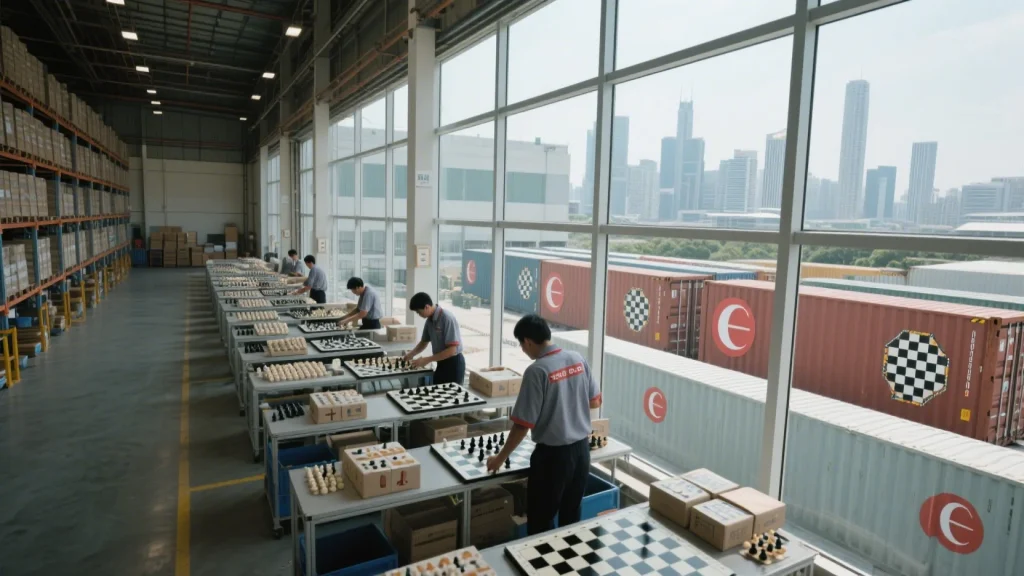
Why Singapore is the Strategic Global Hub of Board Game Manufacturing?
Singapore’s Strategic Location: The Ultimate Logistics Advantage
Location, location, location.
It’s not just a real estate mantra—it’s the foundation of Singapore’s manufacturing dominance.
Situated at the crossroads of major shipping routes in Asia, Singapore provides exceptional advantages for board game manufacturers and distributors. This island nation serves as a critical nexus for global trade, allowing efficient distribution to markets across Asia, Europe, and the Americas.
In fact, recent trade data shows Singapore serving as the largest exporter of board games under specific trade classifications, accounting for 37.70% of total board game imports in certain markets.
Why is this important?
Because when you’re shipping physical products like board games (which can be heavy and bulky), your location can make or break your profit margins.
Here’s what makes Singapore’s location so strategic:
- Gateway to Asia-Pacific: Shipping to Southeast Asia is approximately 40% faster compared to other regions
- Reduced transit times: Faster turnaround times for both regional and global markets
- Streamlined customs: World-class port facilities with efficient processing
- Connectivity: Changi Airport’s cargo capabilities complement sea freight options
Bottom line? When a board game company manufactures in Singapore, they can get their products to market faster and more efficiently than from almost anywhere else in the world.
Manufacturing Excellence: Quality That Speaks Volumes
Let’s be honest: board games are complex products.
Think about it—a single game might contain custom dice, detailed miniatures, hundreds of cards with precise colors, game boards, tokens, and more. Each component requires specialized manufacturing processes.
This is where Singapore truly shines.
The country’s manufacturing sector contributes approximately 20% to Singapore’s GDP, creating a robust ecosystem that supports board game production with specialized expertise:
- Precision component manufacturing: Essential for producing game pieces, miniatures, and tokens
- High-quality printing capabilities: Crucial for cards, game boards, and packaging
- Advanced quality control processes: Ensuring consistent standards across production runs
For example, NANJIAN Games (the largest board game manufacturer in Southeast Asia) boasts state-of-the-art production facilities with advanced machinery designed to maximize efficiency and automation.
Their defect rate? Lower than most competitors in the industry.
That’s not surprising when you consider that Singapore ranks as the third most innovative country in the Bloomberg Innovation Index. This focus on innovation extends to manufacturing processes, where precision and quality control are paramount.
Singapore’s Business-Friendly Environment: A Winning Move
When it comes to running a business, Singapore is basically playing with a loaded dice (in a good way).
The country consistently ranks among the easiest places in the world to do business, with policies specifically designed to attract and retain manufacturing companies.
Here’s what makes Singapore’s business environment so appealing for board game manufacturers:
Robust IP Protection
For board game creators, intellectual property protection is CRUCIAL. Singapore’s strong legal framework provides comprehensive protection for designs, mechanics, and artwork—essential for an industry built on creative innovation.
Tax Incentives and Grants
The Singapore Economic Development Board (EDB) offers generous incentives for manufacturing companies, including:
- Research and Development tax deductions
- Productivity and Innovation Credits
- Enterprise Development Grants
These incentives help offset the higher operational costs compared to other Southeast Asian countries.
Political Stability
When you’re investing millions in manufacturing infrastructure, stability matters. Singapore’s renowned political and economic stability provides manufacturers with confidence in long-term planning.
Pro Tip: Think of these advantages as “power-up cards” that board game manufacturers can play to gain competitive advantage in the global market.
Trade Agreements: Singapore’s Secret Weapon
Trade agreements are the hidden MVP of Singapore’s manufacturing success.
Singapore has established an impressive network of free trade agreements (FTAs) with major economies worldwide, creating a significant competitive advantage for board game manufacturers.
One key example? The ASEAN-US Free Trade Agreement.
This agreement means that board games exported from Singapore to the United States benefit from tariffs as low as 10%—making it cost-effective for Western markets compared to other manufacturing locations.
Why is this important right now?
Recent developments in global trade, including new tariffs affecting board games manufactured in China, have created additional advantages for Singapore-based manufacturers. Industry coverage notes that “Most US board games are made in China,” but now face “hefty fees” when importing to the United States.
This situation potentially benefits alternative manufacturing locations like Singapore, creating a perfect storm of opportunity.
The Skilled Workforce Advantage
You can have the best equipment in the world, but without skilled workers, you’re not going to produce quality products.
Singapore’s manufacturing sector benefits from a highly skilled, English-speaking workforce with specialized knowledge of board game production.
In fact, Singapore ranks third in the Global Talent Competitive Index, with initiatives like SkillsFuture providing continuous training in advanced manufacturing.
For board game manufacturers, this means access to professionals capable of handling complex production processes, from design to quality control.
Companies like NANJIAN Games highlight their expertise in areas such as “component material selection” and “standardizing printed files” to “maximize print quality.” This technical knowledge provides value beyond basic manufacturing capabilities.
Tailored Services for Different Market Segments
One thing I’ve noticed about Singapore’s board game manufacturing ecosystem is how adaptable it is to different client needs.
Whether you’re a major publisher or an indie designer launching your first Kickstarter, Singapore offers specialized services:
For Established Publishers:
- High-volume production capabilities
- Consistent quality across large print runs
- Integrated logistics and fulfillment solutions
- Long-term partnership opportunities
For Independent Creators:
- Support for smaller production runs
- Guidance through the manufacturing process
- Assistance with production specifications
- Crowdfunding-friendly timelines and processes
For example, NANJIAN Games positions itself as a partner for “established brand publishers,” noting they are “long-term partners of numerous renowned games and brands”. But they also offer services specifically for “quality-driven creative teams” and what they playfully call “‘lazy’ creators” who “focus on gameplay and art design and pay less attention to production, packing and delivery”.
This comprehensive support helps new entrants navigate the manufacturing process.
The Board Game Industry Boom in Singapore
Singapore isn’t just manufacturing games—it’s developing a thriving local industry that further strengthens its position as a global hub.
According to industry observers, “the number of local indie tabletop game designers has skyrocketed from a handful in 2014 to over 50 today”. This growth creates a virtuous cycle where local designers can leverage proximity to manufacturing expertise.
Homegrown success stories like Origame Studios demonstrate the potential of Singapore-based board game businesses. The company has “seen a 20 per cent jump in revenue in the past year” and has “released more than 20 original games” since its founding in 2019.
What’s particularly interesting is that their games often incorporate uniquely Singaporean themes like hawker culture, finding success both locally and internationally.
Beyond consumer products, “businesses and government institutions have also published their own games to increase public engagement, with the trend growing 10-fold over the past five years”. This broader adoption of board games for various purposes further supports manufacturing demand.
Sustainability: Singapore’s Green Advantage
In 2025, sustainability isn’t just nice to have—it’s essential.
As environmental concerns reshape consumer preferences, Singapore’s manufacturers lead in eco-conscious production. The Singapore Green Plan 2030 incentivizes factories to adopt biodegradable materials, solar energy, and carbon-neutral certifications.
For example, one local producer transitioned to plant-based inks and recyclable packaging in 2023—a move that cut their carbon footprint by 40% while appealing to EU and North American markets.
“Sustainability isn’t just ethical; it’s a business imperative,” says environmental consultant Dr. Grace Ho. “Brands like Crimson Shield Games choose Singaporean partners because their green credentials align with global retail standards.”
The Quality vs. Cost Equation
Let’s address the elephant in the room: cost.
Yes, manufacturing in Singapore is generally more expensive than in neighboring countries like China, Malaysia, or Vietnam. Labor costs remain 20–30% higher than in Malaysia or Thailand, and land scarcity limits factory expansion.
But here’s the thing:
While Singapore excels in quality and logistics, manufacturers have found creative ways to stay competitive:
- Automation and efficiency: Advanced production techniques reduce labor requirements
- Focus on premium segments: Targeting high-end games where quality demands justify costs
- Value-added services: Offering comprehensive solutions beyond basic manufacturing
- Data-driven operations: Using AI and analytics to optimize inventory and production
As one industry insider put it: “We don’t compete on price—we compete on reliability.”
During the 2022 supply chain crisis, many manufacturers in traditional hubs struggled with delays and disruptions. Meanwhile, Singaporean facilities continued delivering orders on time, demonstrating the value of stability even at a premium price.
Real-World Success: Case Studies
Let me share a quick case studies to show you how companies are benefiting from Singapore’s manufacturing ecosystem:
Kickstarter Success Story
A first-time game designer launched their Kickstarter campaign with a modest $30,000 goal. By working with a Singapore-based manufacturer that specialized in supporting crowdfunded projects, they:
- Received guidance on component selection and cost optimization
- Achieved higher quality than initially planned
- Delivered on time despite global supply chain challenges
- Built a foundation for future projects
The campaign ultimately raised over $120,000, and the designer has now launched two successful follow-up games.
Challenges and Future Outlook
No manufacturing hub is perfect, and Singapore does face some challenges:
Component Availability and Material Restrictions
Industry experts note that “Singapore manufacturing faces challenges due to the lack of readily available standard board game components, as well as restrictions on materials and dimensions”. These limitations can affect certain types of game production and may necessitate importing specific components.
Cost Competitiveness
While Singapore excels in quality and logistics, cost remains a challenge when competing with other manufacturing locations. Sources indicate that “offshore manufacturing, particularly in China, remains the most cost-effective option, even with shipping and packaging costs factored in”.
However, these challenges aren’t stopping Singapore’s growth in the sector. In fact, they’re driving innovation and specialization.
The future looks bright for several reasons:
- Emerging technologies: Integration of AR/VR elements with physical games
- Regional growth: Rising middle class across Southeast Asia driving demand
- Digital transformation: Smart manufacturing reducing costs and improving efficiency
- Market diversification: Reduced dependence on traditional manufacturing hubs
The emergence of events like the Asian Board Games Festival, described as “the largest board gaming event in Southeast Asia”, showcases the region’s growing influence in the global tabletop gaming industry. With its established manufacturing infrastructure, Singapore is well-positioned to capitalize on this regional growth.
Conclusion: Singapore’s Winning Strategy
In the world of board game manufacturing, Singapore has clearly played its cards right.
By leveraging its strategic location, skilled workforce, business-friendly policies, and commitment to quality, this small nation has established itself as a major player in the global industry.
For game publishers and designers, Singapore offers a compelling package: reliable production, efficient distribution, and the flexibility to serve both mass market and niche products.
As the board game industry continues to evolve, with digital integration, sustainability concerns, and shifting trade dynamics all playing important roles, Singapore’s manufacturing ecosystem is well-positioned to adapt and thrive.
The bottom line? Why Singapore is the Strategic Global Hub of Board Games Manufacturing comes down to a perfect combination of geography, policy, expertise, and innovation. For companies looking to produce high-quality board games with global reach, Singapore isn’t just an option—it’s increasingly becoming the strategic choice.



 English
  Chinese
  German
  French
  Spanish