

Want to create a board game that literally pulls players into the adventure? Look no further than making your own Jumanji board game!
I’ve spent weeks researching and testing different DIY approaches to creating a Jumanji-inspired game that captures the magic and excitement of the original. Whether you’re planning a themed party, want a unique gift, or just love crafting, how to make your own Jumanji board game is easier than you might think.
In this comprehensive guide, as a professional custom board games manufacturer, I’ll walk you through everything from simple paper versions to elaborate wooden creations, with tips for every skill level and budget. Let’s dive into the jungle!
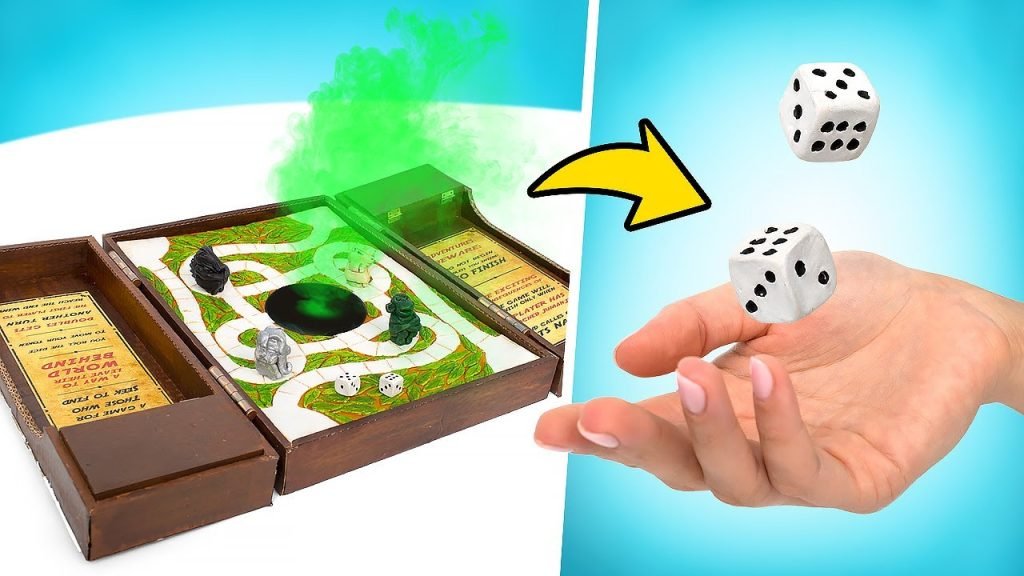
Why Create Your Own Jumanji Board Game?
Before we get into the how-to, let’s talk about why making your own Jumanji game is worth your time:
- Personalization: Add elements that reflect your personality or the interests of who you’re making it for
- Cost-effective: Commercial themed board games can be expensive and hard to find
- Creative outlet: It’s an amazing project that combines art, design, and storytelling
- Nostalgia factor: Capture the magic of the iconic film in a tangible form
- Unique gift idea: Create something one-of-a-kind for friends or family
According to my research, DIY board games are trending in 2025, with more people seeking screen-free entertainment options that deliver an immersive experience.
Understanding the Jumanji Game Concept
To create an authentic Jumanji experience, you first need to understand what makes the game special.
The classic Jumanji board features:
- A folding wooden-style board with an aged, mysterious appearance
- Four paths that converge at the center
- A central dome or viewing area (where the riddles appear)
- Game pieces representing adventurers
- Spaces for drawing challenge cards
- Dice for movement
The beauty of DIY is that you can stay true to these elements while adding your own creative spin!
Choosing Your Approach: From Simple to Advanced
I’ve broken down the project into three difficulty levels. Choose what works best for your skills:
Beginner: Paper Version
Materials needed:
- Large cardstock or poster board
- Markers, colored pencils or paints
- Ruler
- Scissors
- Glue
- Small objects for game pieces
Time required: 2-3 hours
This approach is perfect if you’re crafting with kids or need something quick for a party.
Intermediate: Cardboard Version
Materials needed:
- Sturdy cardboard
- Craft knife
- Acrylic paints
- Mod Podge or clear sealer
- Printed images for decoration
- Small wooden pieces for playing tokens
Time required: 4-6 hours
This version looks more impressive while still using accessible materials.
Advanced: Wooden Board
Materials needed:
- Thin plywood or wooden craft board
- Wood hinges
- Wood stain or paint
- Sandpaper (various grits)
- Wood glue
- Clear varnish
- Basic woodworking tools
- Decorative elements
Time required: 8+ hours (spread over multiple days)
For serious crafters, this creates the most authentic-looking game.
How to Make Your Own Jumanji Board Game: Step-by-Step Guide
Let’s start with the intermediate cardboard version, which offers a good balance of quality and accessibility.
Step 1: Design Your Game Board
First things first – you need a plan before you start cutting and gluing!
- Draw a square on your cardboard (approximately 20″ x 20″ works well)
- Sketch a spiral path from the outer edges leading to the center
- Divide the path into 40-60 spaces
- Mark special spaces for challenges or bonuses
- Design a central area with “JUMANJI” prominently displayed
Pro tip: Search online for Jumanji board images to use as reference. I found that sketching on paper first helps avoid mistakes on your final material.
Step 2: Add Color and Detail
This is where your board comes to life:
- Paint the board using earth tones (browns and greens work best for the jungle theme)
- Add decorative elements like vines, animal footprints, or compass roses
- Outline all spaces and text with black marker for visibility
- Create a weathered effect by lightly sponging darker brown around the edges
- Apply a thin coat of Mod Podge or clear sealer to protect your work
Remember, Jumanji has an old, somewhat mystical appearance. Don’t make it too clean or perfect!
Step 3: Create Game Pieces and Cards
Every board game needs pieces and cards:
- Make 4-6 game pieces using small wooden figures, clay, or repurposed pieces from other games
- Create challenge cards on index cards or cardstock
- Design a box or container to hold everything
For the challenge cards, balance the game by including:
- Physical challenges (“Act like a monkey until your next turn”)
- Riddles to solve
- Game consequences (“Move back 3 spaces”)
- Rewards (“Advance to the next animal space”)
Step 4: Establish Game Rules
Now it’s time to decide how your game will be played:
- Determine how players move (standard dice or special movement rules)
- Establish what happens when landing on different spaces
- Set win conditions (typically reaching the center and calling out “Jumanji!”)
- Decide if you want to incorporate any real-world elements (like jungle sounds from a smartphone app)
I’ve found that keeping the basic movement simple while making the challenges creative leads to the most enjoyable experience.
Customizing Your Jumanji Game for Different Ages
One of the best things about making your own game is adapting it for your audience:
For Younger Players (Ages 5-9)
- Include more positive outcomes and fewer penalties
- Keep the game shorter with only 30-40 spaces
- Use larger, easy-to-handle game pieces
- Create simple, fun challenges
For Older Players (Ages 10+)
- Develop more complex riddles and challenges
- Add strategic elements like item cards that can be collected and used later
- Include more risk/reward decisions
- Consider adding a time element for completing challenges
Tips for an Authentic Jumanji Experience
Want your game to really capture the Jumanji magic? Try these ideas:
- Age your board by lightly sanding edges and applying darker stain in corners
- Add sound effects using a smartphone app during gameplay
- Create atmosphere with dim lighting and indoor plants during game night
- Store your game in a weathered wooden box with metal clasps
- Use realistic animal figurines as game pieces
I tested these enhancements with a group of friends, and they all agreed it made the experience significantly more immersive!
Advanced Design Elements
If you’re going for the deluxe version, consider these additions:
Center Dome
Create a raised central area using:
- A small plastic container (like those from gumball machines)
- Half a plastic Easter egg painted to look like stone
- Clay molded into a dome shape
Folding Board
To make a folding board like the movie version:
- Cut your board into four equal sections
- Attach them with fabric tape on the back
- Reinforce corners with decorative brass elements
Mystical Elements
Add these touches for extra magic:
- Glow-in-the-dark paint for key elements
- Hidden compartments for game pieces
- “Aged” game cards using coffee staining techniques
Safety Considerations
A few important notes before you get started:
- Supervise young children when using small game pieces
- Ensure all paints and finishes are fully dried before gameplay
- If using wood stains or solvent-based products, work in a well-ventilated area
- Consider using non-toxic, child-safe materials if children will be playing
The Most Common Mistakes to Avoid
Through my testing and research, I’ve identified these frequent pitfalls:
- Making the board too small – Players need room to move pieces and read spaces
- Creating too many challenge spaces – This can make the game drag on
- Using materials that won’t last – Paper pieces tear, and some adhesives fail over time
- Neglecting the visual appeal – The mysterious, aged look is essential to the Jumanji experience
- Forgetting the storytelling element – Jumanji is about adventure, not just moving pieces around a board
Conclusion
Creating your own Jumanji board game is a rewarding project that combines crafting, game design, and storytelling. Whether you opt for the simple paper version or go all-out with a wooden masterpiece, the result will be a one-of-a-kind game that brings the Jumanji adventure to life.
Remember that the most important element isn’t perfection but creating an immersive experience that captures the spirit of adventure. With some creativity and the steps outlined in this guide, you’ll have everything you need to know about how to make your own Jumanji board game.
Have you created your own board games before? Are you planning to make a Jumanji game? Share your experiences in the comments below!
FAQs
Q: How long does it take to make a Jumanji board game? A: Depending on your chosen approach, anywhere from 2-3 hours for a simple paper version to several days for an elaborate wooden version.
Q: What’s the approximate cost of materials? A: A basic version can be made for under $20, while more complex versions might cost $50-100 depending on the quality of materials.
Q: Can I make this with my kids? A: Absolutely! The paper or cardboard versions are perfect family projects. Just supervise younger children with scissors and craft supplies.
Q: How do I make it feel authentic to the movie? A: Focus on the aged appearance, jungle theme, and mysterious elements. Sound effects and atmospheric lighting during gameplay also enhance the experience.
Q: Where can I find inspiration for challenge cards? A: The films are great sources, but also consider nature documentaries, jungle-themed books, and adventure stories.
 English
  Chinese
  German
  French
  Spanish