

Making your own question cards for a board game you created can be an enjoyable and creative process. As you design the mechanics and gameplay for your board game, having customized question cards tailored to your game’s theme and rules elevates the entire experience for players.
In 2025, more aspiring game designers are creating their own board games for personal use or to potentially sell and publish down the road. While making question cards requires effort and attention to detail, the payoff of playtesting your game with professional-looking question cards takes your board game to the next level.
In this post, as a professional board games manufacturer, I will share a step-by-step guide for how to make question cards for a board game.
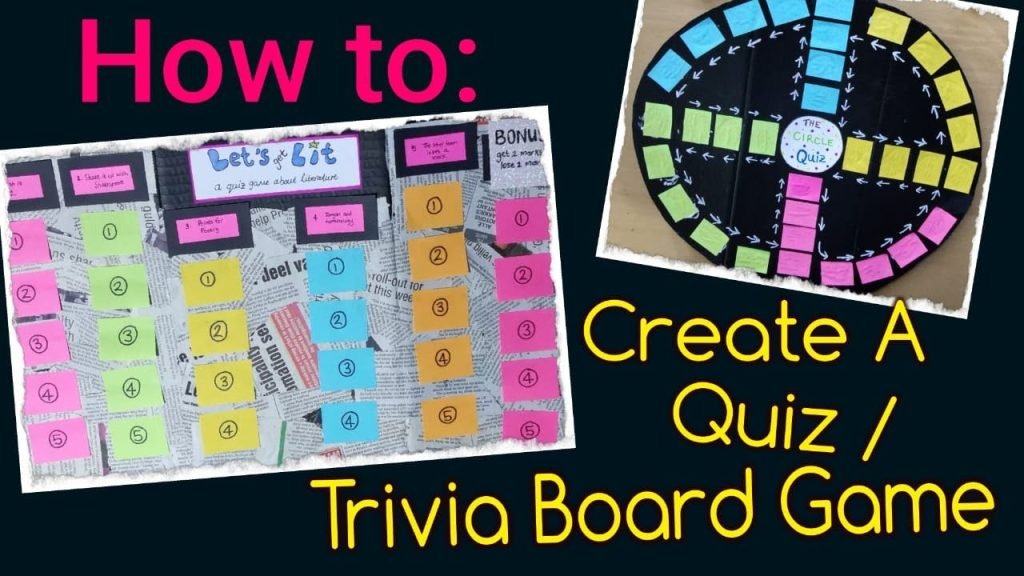
How to Make Question Cards for a Board Game
Brainstorm Different Question Card Categories
Before you start writing down actual trivia or quiz questions, step back and strategize on the different types of question cards your board game could feature.
Get creative with various question formats that force players to really think and test their skills. Potential question card categories include:
- True or False – The most basic question card format, true or false questions offer a 50/50 chance for players to respond correctly. You can increase the difficultly of certain true or false questions by making the answer not as black and white.
- Open-Ended – Rather than giving players multiple choice options, create open-ended questions that require coming up with the answer on one’s own. This makes for challenging and engaging game play.
- Act It Out – For less trivia-focused games, consider substituting classic question cards for acting prompts. Players then need to use their creativity and acting chops to get their team to guess the prompt.
- Challenge – Challenge cards aren’t technically questions, but they’re a fun way to incorporate tasks players need to complete within a short timeframe. You can tie challenges back to your game’s theme or mechanics.
Mixing up your question card categories prevents repetitiveness, while allowing players to showcase different strengths.
Ensure Your Questions Align With Your Game’s Style and Genre
The theme, mechanics, goals and target audience of your board game should directly influence the types of questions featured on your question cards.
Before writing down any quiz questions or challenges, reflect on a few key elements of your board game:
- What is the style and genre: trivia, strategy, party game, cooperative, etc?
- Who is your target demographic: kids, families, adults, niche hobbyists?
- Does your game have a theme tied to pop culture, academics, nature?
Use the answers to these questions to strategically craft question cards catered to your game. For example, an adult-focused trivia game on the topic of 90s sitcoms would warrant harder, nostalgic questions on that niche topic.
Whereas an educational geography game for elementary school kids requires easier questions focused on maps, continents and capital cities.
Optimize the Length and Difficulty of Your Question Cards
With your question card categories and game style defined, shift your focus towards crafting the actual trivia or challenge prompt that appears on each card.
Two key factors to consider are length and difficulty.
Keep Prompts Clear and Concise
Strive to keep your open-ended questions, multiple choice options and acting prompts as clear and concise as possible. Verbose questions lead to player confusion and unnecessary complexity.
Craft your question cards based on the following length guidelines:
- True or False – Keep true or false statements under 15 words
- Multiple Choice – Limit multiple choice questions to 20 words or less
- Open-Ended – Use 30 words or less for open-ended questions
- Acting Prompts – Summarize acting prompts in 10 words or less
In addition to counting words, say each question card out loud to yourself or friends during the design process. This allows you to catch unnecessarily wordy phrasing.
Evaluate and Playtest Question Difficulty
For players to enjoy your homemade board game, achieving the right balance of question card difficulty is crucial.
Questions that seem impossible and way too hard will frustrate gamers instead of providing a rewarding challenge. On the flip side, overly simple questions fail to stimulate creativity and critical thinking.
During your initial round of question card writing, categorize each card as easy, medium or hard difficulty based on your own judgement.
Make sure to create an even distribution of difficulties per category. For example, if you have 20 total trivia questions split across easy, medium and hard, aim for 6-7 questions per difficulty tier.
After crafting your initial batch of question cards across the spectrum of trouble, recruit friends and family to playtest your board game. Pay attention to which question cards stump players, versus the ones easily answered.
Use the qualitative feedback from your playtest to re-assess your question card difficulty ratings, tweaking them as needed. As a rule of thumb, players should get around 60-70% of questions correct.
Use a Question Card Template to Standardize Appearances
Creating questions and challenges for homemade board games is the fun, creative element. Yet you still need to physically assemble the question cards and make them look legit.
Rather than handwriting dozens of question cards on paper, utilize Microsoft Word templates to save time and standardize appearances.
Search online for premade question card templates you can download and customize with your own styling. For instance, this free printable question card template neatly organizes your questions and even Section text into sections.
You also have full editing control over the font style and size used for questions and answers. Plus, you can add custom design embellishments like borders, thematic artwork and your game’s logo.
For optimal convenience, look for question card templates that print questions and answers on opposite sides of a sheet of paper. Then when they’re cut out and turned over, the Q&A stay hidden from opposing teams during gameplay.
Standard sizing options for homemade question cards include 2×3 inches or 3×5 inches – the dimensions used for business cards. Sizing all your question cards consistently using Word templates provides a polished, professional aesthetic.
Continuously Improve and Diversify Your Question Cards
A benefit of designing your own question cards is the ability to constantly add to your initial batch with fresh content.
Make it a habit to brainstorm 2-3 new questions whenever inspiration randomly strikes. Over time, compiling them together yields an extensive, varied collection of board game question cards.
Ways to bolster your DIY question card library include:
- Scanning daily news sites for interesting tidbits to transform into trivia
- Jotting down fun facts mentioned in podcast episodes
- Asking friends specialized questions tied to their hobbies and interests
- Purchasing trivia books on niche topics and adapting select entries into questions
Diversifying question cards through ongoing editing and additions reduces repetition, making repeat plays of your homemade board game more rewarding.
Plus when hosting game nights, you can strategically pick specific question card subsets catered to in-attendance players based on their backgrounds and skillsets!
Final Thoughts
At its core, making customized question cards for a personally designed board game is about creativity blended with strategy. Always keep your target audience and overarching game style in sight as you generate various quiz questions and physical card design.
What differentiates next-level DIY board games from basic ones boils down to polished question cards aligned with gameplay. Playtest frequently with unbiased players to pinpoint any opportunities to enhance your question cards regarding length, difficulty and diversity moving forward.
 English
  Chinese
  German
  French
  Spanish