

Board games have come a long way from classics like Monopoly and Scrabble. Modern board games feature intricate gameplay, gorgeous artwork, and hundreds of customized components. It’s no wonder many now come with premium price tags.
But with costs ranging from $40 to over $200 per game, are designer board games worth the investment? Or are you better off sticking to cheaper classics and party games?
身為專業人士 桌遊製造商, let’s break down the reasons behind the rising costs of board games. Then I’ll outline exactly when splurging on the hottest new title makes sense (and when it doesn’t).

Why Are Modern Board Games So Expensive To Produce?
If you compare board game prices today to 20 or 30 years ago, there’s no doubt the cost has skyrocketed. Back in the 80s and 90s games typically ranged from $15 to $30. Now $50 to $100 is common for an all-in pledge on Kickstarter.
So what’s changed?
More Unique Components
Gone are the days when a deck of cards and a cardboard game board were all you needed. Now gamers expect nice custom pieces.
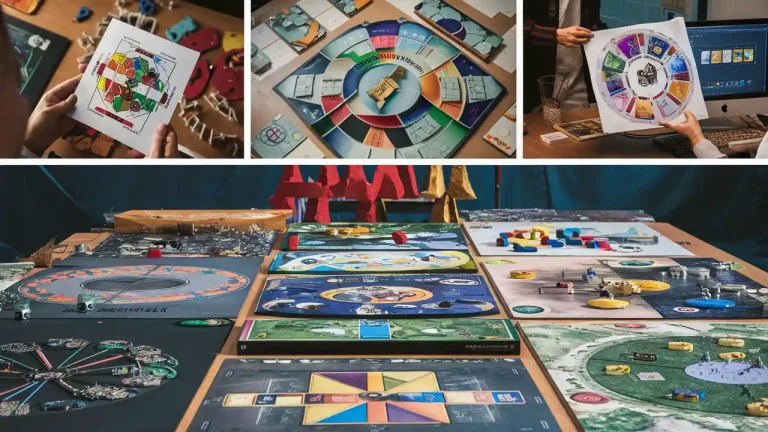
Plastic miniatures, 3D terrain tiles, sculpted resource tokens, and unique dice all enhance gameplay. But they dramatically increase manufacturing costs, especially at lower print runs.
Metal coins or gemstones might cost over $1 per piece. And detailed miniatures often run $5 to $10 each in small quantities.
When you consider some games now pack in over 100 miniatures, that adds up fast.
Higher Quality Materials
Along with more components, gamers now demand better quality too. Flimsy punch-out cardboard chits have given way to thick, dyed and molded plastic. Game boards are often double-layered now with indented squares or hexes.
Thicker cardboard stock, custom dice, metal coins, and detailed plastic miniatures all improve the gaming experience. But nicer materials mean higher production costs.
More Complex Gameplay
The explosion of the hobby board game industry has led to innovation in game mechanics and depth of gameplay. Classics like Monopoly feature relatively simple roll and move mechanics.
But best-selling modern titles like Gloomhaven contain hundreds of cards and abilities forming an intricate and evolving gameplay experience. The downside is developing and balancing complex systems takes more time and money.
More People Get Paid
In the past, a single designer might create a game themselves then sell the concept to a publisher. The publisher handled artwork, production, marketing, and distribution taking the lion’s share of profits.
Today countless roles are involved:
- Game designers
- Artists & graphic designers
- Sculptors for miniatures
- Developers & play testers
- Marketing teams
- Community managers
- Campaign managers for crowdfunding
- Third party distributors
More people investing serious time into each game means the costs add up. And with publishers taking on bigger financial risk organizing production, their cut is necessarily larger too.
Lower Print Runs
Larger game publishers like Hasbro enjoy mammoth print runs in the hundreds of thousands of units. They save on manufacturing costs through enormous economy of scale.
For small boutique game publishers, print runs usually only number in the low thousands. With so few units produced, manufacturing prices per game spike.
Increased Shipping Charges
International cargo transport costs have increased dramatically recently. And board games with all those plastic bits and custom dice are heavy.
So a $15 domestic shipping fee can balloon to $30 or more for international backers. Publishers have to pad prices to help offset logistics costs getting deliveries to far off destinations.
Are Expensive Board Games Worth The Cost?
So it’s clear why hot new board games now launch at premium prices. But does that mean they provide good value to gamers? Or should you save your money sticking to cheaper classics?
Here are the key factors to consider:
Gameplay Experience
For many hobby gamers, gameplay is king. An expensive board game packed with incredible adventures, evolving storylines, and meaningful decisions usually justifies its high cost through repeat plays:
- 可重複播放 – A game like Gloomhaven features 95%+ user ratings on BoardGameGeek not because of fancy components. It’s because the deeply strategic deck-building and character progression gameplay keeps gamers coming back again and again.
- Immersion – Many designer board games focus on delivering truly immersive experiences through artwork, narrative gameplay, and thematic integration between game systems and components. It’s hard to put a price on getting utterly lost in another world for a few hours at a time.
- 社會連結 – Let’s not overlook the value of spending quality time together around the table. Laughing, strategizing, agonizing over tough in-game choices… for many the real worth comes from fortifying social bonds with friends and family.
Component Quality & Ownership Pride
While gameplay drives everything, production quality remains important for hobby gamers. Nice components vastly improve the gaming experience. Fiddling with chintzy paper chits detracts from immersion in a fantastical setting.
Many also take great pride curating a board game collection they’ll enjoy for years. Like any cherished possessions, price often reflects the emotional investment not just financial cost.
Cost Per Hour of Entertainment
Board gaming offers relatively cost-effective entertainment compared to other hobbies when calculated per hour enjoyed:
- Movie Theater – $10 per hour
- Concert Tickets – $50+ per hour
- Theme Park Pass – $30+ per hour
- Top Board Games – $5 per hour (or less)
Even an “expensive” $120 board game that gets played monthly provides over 50 hours of entertainment. That’s under $2.50 per hour 和 it can get resold to recoup costs later if needed.
When Does A Board Game’s Cost Outweigh Its Value?
While many premium board games deliver entertainment and variety that outweighs expense, not all are worth the high sticker price.
Here’s when it makes sense to pass on the hot new game launch:
Boring or Flawed Gameplay
No amount of bling can rescue a board game with repetitive, broken gameplay mechanics. Playtest reviews from actual gamers provide the best gauge here.
For example, board gamers widely panned recently launched Etherfields as a gorgeous art piece with deeply flawed, plodding gameplay. Most agreed its quality failed to match the $125+ pledge price.
Limited Audience Appeal
Niche tastes or narrow player counts diminish value for many gamers. Dropping $300+ on the Batman: Gotham City Chronicles all-in pledge only makes sense if you’re a big Batman fan 和 regularly game with the same 3 friends.
Minimal Replay Value
Replay value directly ties to cost per hour enjoyed. Some story-driven campaign games strongly incentivize a single play through. This provides an amazing one-time experience. But with minimal replay options later, cost per hour soon diminishes.
Collectability Over Playability
Some mega expensive offerings cater more to collectors than active gamers. For example, the extremely rare Dune print run now sells for $5,000+.
At those prices the game transforms into more of an admired shelf centerpiece than gaming activity. Nothing wrong with collecting. Just recognize some expensive board game purchases are more about collecting than playing.
 Chinese
  English
  German
  French
  Spanish