
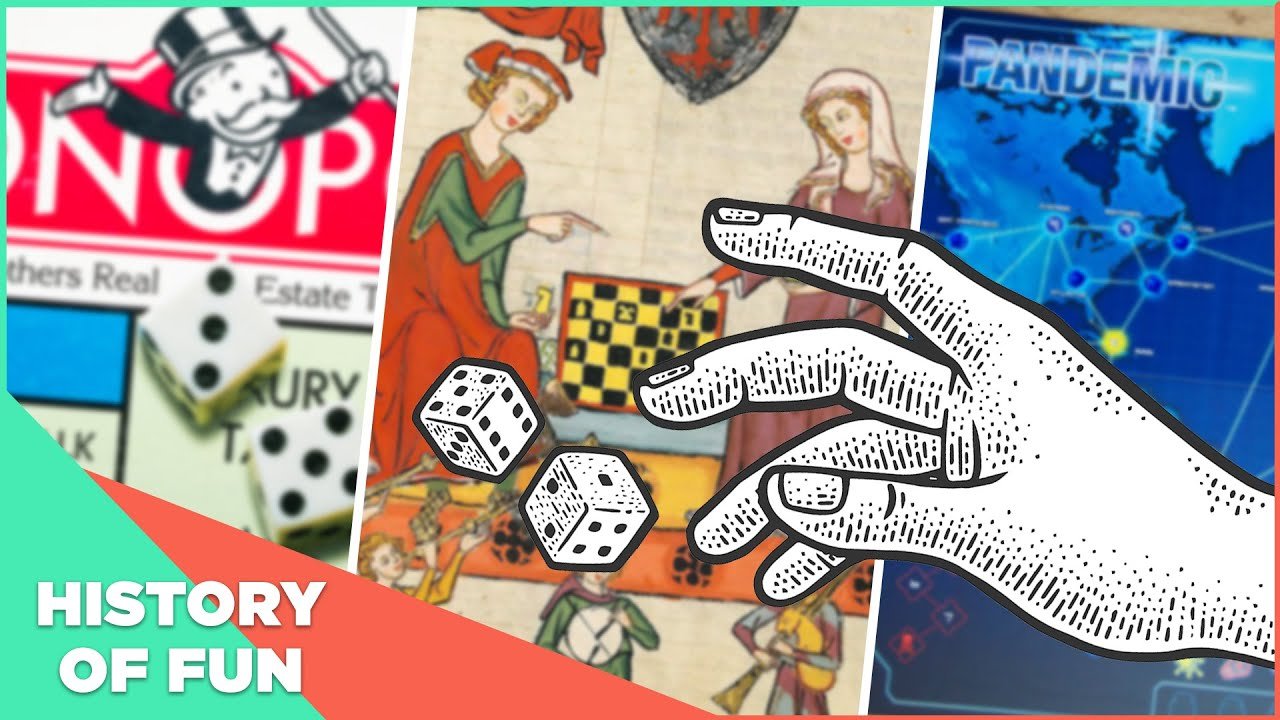
Qu'est-ce qu'un jeu de société coopératif ?
En bref : il s'agit de jeux de société dans lesquels les joueurs font équipe pour venir à bout du jeu lui-même. Contrairement aux jeux compétitifs traditionnels (où l'on cherche à écraser ses adversaires), les jeux de société coopératifs rassemblent tous les joueurs dans le même camp.
Voyez les choses ainsi :
Au Monopoly, le but est de mettre tous les autres joueurs à la faillite. Mais dans un jeu coopératif comme Pandemic, vous et vos amis faites équipe pour sauver le monde de maladies mortelles.
C'est assez différent, non ? En tant que professionnel de la personnalisation fabricant de jeux de société, Je vais tout vous dire sur les jeux de société coopératifs dans cet article.

Pourquoi les jeux de société coopératifs connaissent-ils un tel essor ?
Voici quelque chose d'intéressant :
Selon BoardGameGeek D'après ces données, le nombre de jeux coopératifs publiés a augmenté de 3 401 TP3T depuis 2015.
Et on comprend facilement pourquoi.
Tout d'abord, les jeux en mode coopératif permettent d'éviter cette situation délicate où un joueur domine le jeu et où tous les autres se sentent mal à l'aise.
(On connaît tous cette personne qui prend le Monopoly beaucoup trop au sérieux.)
Deuxièmement, ces jeux créent des expériences communes inoubliables. Quand on parvient de justesse à s'échapper ensemble d'une île en train de sombrer, c'est une histoire qu'on racontera pendant des années.
Mais voici le plus étonnant :
Les jeux coopératifs sont parfaits pour les groupes où les niveaux de jeu sont variés. Les joueurs expérimentés peuvent aider les débutants sans nuire à l'équilibre de la compétition.
Comment fonctionnent réellement les jeux de société coopératifs ?
Au fond, tous les jeux coopératifs partagent quelques mécanismes clés.
Le jeu, c'est ton adversaire
Au lieu d'affronter d'autres joueurs, vous vous mesurez au système de défis intégré au jeu.
Cela se présente généralement sous l'une des trois formes suivantes :
Pression régulée par minuterie: Le jeu vous accorde un nombre limité de tours avant que la catastrophe ne frappe. Pandemic exploite ce principe de manière brillante : les maladies se propagent de plus en plus vite au fur et à mesure que la partie avance.
Difficulté croissante: Chaque niveau est plus difficile que le précédent. Dans Ghost Stories, des démons de plus en plus puissants font leur apparition au fur et à mesure que vous avancez dans le jeu.
Événements aléatoires: Les jeux de cartes ou les lancers de dés créent des défis imprévisibles. « Forbidden Island » s'enfonce littéralement sous vos pieds de manière aléatoire.
Tout le monde gagne ou perd ensemble
C'est LA caractéristique essentielle des jeux coopératifs.
Il n'y a pas de vainqueur individuel. Pas de deuxième place. Pas de trophées de participation.
Soit toute votre équipe atteint l'objectif, soit vous échouez tous lamentablement.
Par exemple :
Dans Flash Point : Fire Rescue, vous devez sauver 7 victimes d'un immeuble en feu. Vous n'en sauvez que 6 ? Vous perdez quand même. L'immeuble s'effondre ? Tout le monde perd.
Ce destin commun génère une tension incroyable et impose un véritable travail d'équipe.
La communication est essentielle
La plupart des jeux coopératifs encouragent (ou exigent) une communication constante.
Vous vous surprendrez à dire des choses comme :
“ Je pourrai guérir la maladie bleue au prochain tour si tu arrives à te rendre au Caire ! ”
“ Vite ! Il faut que quelqu’un renforce ce carreau avant qu’il ne s’enfonce ! ”
“ Le feu se propage trop vite – oubliez les équipements de protection contre les matières dangereuses et courez ! ”
Certains jeux intègrent même des restrictions de communication dans leurs règles. « The Mind » interdit toute conversation, tandis que « Hanabi » n'autorise que des indices bien précis.
Types de jeux de société coopératifs
Tous les jeux coopératifs ne se valent pas.
Voici les principales catégories que vous rencontrerez :
Jeux coopératifs purs
Il s'agit d'une collaboration 100%. Pas d'intentions cachées. Pas de trahisons. Juste un véritable travail d'équipe.
Exemples :
- Pandémie
- L'île interdite / Le désert / Le ciel
- Point d'éclair : Pompiers et secours
- L'équipe
Les coopératives « pures » sont idéales pour les familles ou les groupes qui souhaitent éviter tout conflit.
Jeux « un contre plusieurs »
Un joueur contrôle les méchants tandis que tous les autres font équipe pour les combattre.
Exemples :
- Descent : Voyages dans les ténèbres
- Assaut impérial
- Pas seul
Ces jeux mêlent des éléments de compétition et de coopération. Le joueur incarnant le “ seigneur suprême ” endosse le rôle du méchant, tandis que les héros doivent coordonner leurs efforts pour survivre.
Jeux « Le traître caché »
La plupart des joueurs travaillent ensemble, mais l'un d'entre eux (ou plusieurs) agit secrètement contre l'équipe.
Exemples :
- Les Ombres de Camelot
- Battlestar Galactica
- La résistance
Avertissement : ces jeux peuvent mettre fin à des amitiés. Ce moment où vous réalisez que votre conjoint sabote l'équipe depuis 45 minutes ? Ça n'a pas de prix.
Jeux semi-coopératifs
Les joueurs collaborent pour atteindre un objectif commun, mais leurs objectifs individuels sont source de tensions.
Exemples :
- Au cœur de l'hiver
- Gloomhaven
- Cette guerre, la mienne
Dans Dead of Winter, tout le monde veut survivre à l'apocalypse zombie. Mais votre objectif secret pourrait vous obliger à faire des réserves de nourriture tandis que d'autres meurent de faim.
Des jeux de société coopératifs populaires à découvrir absolument
Je vais vous présenter quelques jeux en mode coopératif à ne pas manquer :
Pandémie (la drogue d'initiation)
Si vous ne devez jouer qu'à un seul jeu coopératif, choisissez « Pandemic ».
Voici pourquoi :
Les joueurs incarnent des spécialistes de la lutte contre les maladies qui se lancent dans une course contre la montre pour trouver un remède à quatre fléaux avant qu'ils ne submergent le monde. Chaque rôle dispose de capacités uniques : le Médecin soigne efficacement les maladies, tandis que le Chercheur diffuse plus rapidement ses connaissances.
Tout le génie du jeu réside dans cette tension qui ne cesse de monter. À chaque tour, les maladies se propagent. Vous piochez la mauvaise carte ? BOUM ! Une épidémie éclate à Tokyo.
Parfait pour : 2 à 4 joueurs à la recherche d'une expérience coopérative à la fois exigeante et accessible
Spirit Island (The Brain Burner)
Celui-ci renverse complètement le thème de la colonisation.
Vous incarnez des esprits chargés de défendre votre île contre les envahisseurs. Chaque esprit dispose de pouvoirs totalement différents : « L’Étreinte vorace de l’océan » noie les explorateurs, tandis que « La Frappe fulgurante de la foudre »… eh bien, frappe avec rapidité.
Grâce à ce gameplay asymétrique, chaque joueur apporte sa contribution à sa manière. Ici, pas de problème de « quarterbacking ».
Parfait pour : Les joueurs chevronnés en quête d'une stratégie approfondie
Horrifié (Le coup de cœur de la famille)
Les monstres d'Universal sèment la terreur dans le village, et vous incarnez les héros chargés de les arrêter.
Ce qui rend Horrified si particulier, c'est sa difficulté variable. Affronter uniquement Dracula ? C'est tout à fait faisable. Mais si on ajoute le Loup-garou, la Momie ET Frankenstein ? Bonne chance.
Parfait pour : Les familles ou les joueurs occasionnels qui aiment les monstres classiques
Gloomhaven : Les Mâchoires du Lion (La Campagne)
Ce jeu allie le jeu coopératif aux mécanismes de type « legacy ».
Vos décisions modifient le jeu de manière définitive. Ouvrez une boîte scellée. Ajoutez des autocollants sur le plateau. Retirez des personnages pour toujours.
Chaque scénario s'inscrit dans une histoire globale. C'est comme si l'on jouait un roman fantastique dont on écrit soi-même l'intrigue.
Parfait pour : Groupes pouvant s'engager à participer à plusieurs séances
Problèmes courants liés aux jeux coopératifs (et leurs solutions)
Abordons l'éléphant dans la pièce :
Les jeux en mode coopératif ne sont pas parfaits.
Le problème du poste de quarterback
Tu as déjà joué avec quelqu'un qui passe son temps à dire aux autres ce qu'ils doivent faire ?
C'est ça, le rôle de quarterback : quand un seul joueur joue pratiquement à la place de tout le monde.
Solutions :
- Choisissez des jeux comportant des informations cachées (Hanabi)
- Utiliser le mécanisme du chronomètre (Space Alert)
- Jouez à des jeux impliquant des actions simultanées (The Mind)
- Rappelez gentiment au quarterback de laisser les autres prendre les décisions
Paralysie analytique
Quand tout le monde passe 20 minutes à discuter du coup “ parfait ”, la partie s'enlise.
Solutions :
- Fixer des limites de temps pour chaque tour
- Acceptez les décisions imparfaites
- N'oublie pas : c'est censé être un plaisir, pas un problème de maths.
Équilibre de la difficulté
Certains jeux en mode coopératif sont d'une difficulté redoutable. D'autres sont trop faciles.
Solutions :
- Recherchez des jeux dont le niveau de difficulté est réglable
- N’hésitez pas à créer vos propres variantes plus faciles ou plus difficiles
- Suivez votre taux de victoire – visez entre 30 et 50 victoires %
Conseils pour profiter pleinement des jeux coopératifs
Après avoir joué à des centaines de jeux en mode coopératif, voici ce qui compte vraiment :
Accepter les pertes
Tu vas perdre. Beaucoup.
Et ce n'est pas grave.
Les meilleurs moments en mode coop naissent souvent d'échecs spectaculaires. Tu te souviens de cette fois où la dernière tuile de zone s'est enfoncée juste au moment où tu l'atteignais ? Un grand classique.
Rotation des postes de direction
Ne laissez pas la même personne prendre toutes les décisions à chaque match.
Essayez ceci : à chaque tour, un joueur différent propose la stratégie de l'équipe. Les autres peuvent suggérer des ajustements, mais c'est ce joueur qui a le dernier mot.
Célébrez les petites victoires
Tu n'as pas gagné, mais tu as réussi à guérir trois maladies ? Génial !
Tu t'es fait écraser, mais tu as tenu deux rounds de plus que la dernière fois ? C'est déjà un progrès !
Associer un jeu à un groupe
Vous jouez avec des amis qui aiment la compétition ? Essayez un jeu où l'un d'entre vous est un traître.
Vous jouez avec des enfants ? Privilégiez les jeux plus légers et plus faciles.
Vous débutez dans les jeux de société ? Commencez par « L'Île interdite » ou « Pandemic ».
L'avenir des jeux de société coopératifs
La révolution coopérative ne faiblit pas.
Voici les tendances de 2025 :
Intégration d'applications: Des jeux comme « Mansions of Madness » utilisent des applications pour gérer des mécanismes complexes et créer une ambiance sonore.
Éléments hérités: De plus en plus de jeux intègrent des changements permanents et des scénarios qui évoluent.
Modes solo: Les éditeurs reconnaissent que les mécanismes coopératifs fonctionnent très bien dans le jeu en solo également.
Complexité accrue: Les concepteurs repoussent les limites avec des jeux comme « Oath » et « Sleeping Gods ».
Faire le bon choix
Alors, comment choisir le bon jeu coopératif ?
Tenez compte des éléments suivants :
Nombre de joueurs: Certains jeux ne s'adaptent pas bien au nombre de joueurs. Pandemic fonctionne très bien quel que soit le nombre de joueurs, tandis que The Crew nécessite exactement 3 à 5 joueurs.
Temps à consacrer: Vous avez 30 minutes ? Essayez The Crew. Vous avez toute la journée ? Sortez Gloomhaven.
Tolérance à la complexité: Commencez par des jeux simples, puis passez progressivement à des jeux plus complexes. « L'Île interdite » → « Pandemic » → « Spirit Island » : c'est une progression tout à fait naturelle.
Préférences de thème: Vous détestez les zombies ? Évitez « Dead of Winter ». Vous adorez la fantasy ? « Gloomhaven » vous attend.
Valeur de relecture: Certains jeux finissent par sembler répétitifs après quelques parties. D'autres offrent une variété infinie grâce à des plateaux modulaires ou à des configurations variables.
Le bilan
Les jeux de société coopératifs ont quelque chose de particulier :
La possibilité de travailler ensemble, de relever des défis en équipe et de partager les victoires (et les défaites) avec des amis.
Ils atténuent la déception d'avoir perdu face à votre beau-frère, qui est d'une compétitivité hors du commun. Ils permettent aux joueurs expérimentés d'accompagner les débutants. Ils donnent lieu à des anecdotes que vous raconterez encore pendant des années.
Et surtout ?
Ils nous rappellent que les jeux ne consistent pas forcément à s'affronter. Parfois, les meilleurs moments naissent du fait de survivre de justesse, tous ensemble.
Que ce soit pour fuir une île en train de sombrer, mettre fin à des pandémies mondiales ou défendre votre patrie contre des envahisseurs, les jeux coopératifs offrent des expériences que les jeux compétitifs ne peuvent tout simplement pas vous procurer.
Alors, la prochaine fois que vous organiserez une soirée jeux, pensez à laisser le Monopoly de côté.
Optez plutôt pour un jeu coopératif.
Vos amis vous en seront reconnaissants.
Prêt à vous lancer dans les jeux coopératifs ? Commencez par *Pandemic* ou *Forbidden Island*. Familiarisez-vous avec les mécanismes de base. Puis partez à la découverte de l'incroyable diversité qu'offre ce genre.
Croyez-moi : dès que vous aurez goûté au plaisir de gagner tous ensemble, vous comprendrez pourquoi les jeux de société coopératifs sont devenus un véritable phénomène dans le monde des jeux de société modernes. Qu’est-ce qu’un jeu de société coopératif ? C’est votre nouvelle façon préférée de jouer.
 French
  English
  Chinese
  German
  Spanish