

How to play marbles board game might sound simple at first glance, but there’s actually a surprising amount of strategy packed into this classic family favorite.
En tant que professionnel fabricant de jeux de société, I’ve been analyzing board games for years, and marbles consistently ranks as one of the most underrated strategic games out there. In fact, when most people think of marbles, they picture kids flicking glass balls in a circle. But the modern board game version? That’s a completely different beast.
Voici ce qu'il en est :
The marbles board game (specifically the “Jokers and Marbles” variant) combines the best elements of luck, strategy, and social interaction. And once you understand the core mechanics, you’ll see why this game has captivated families for generations.
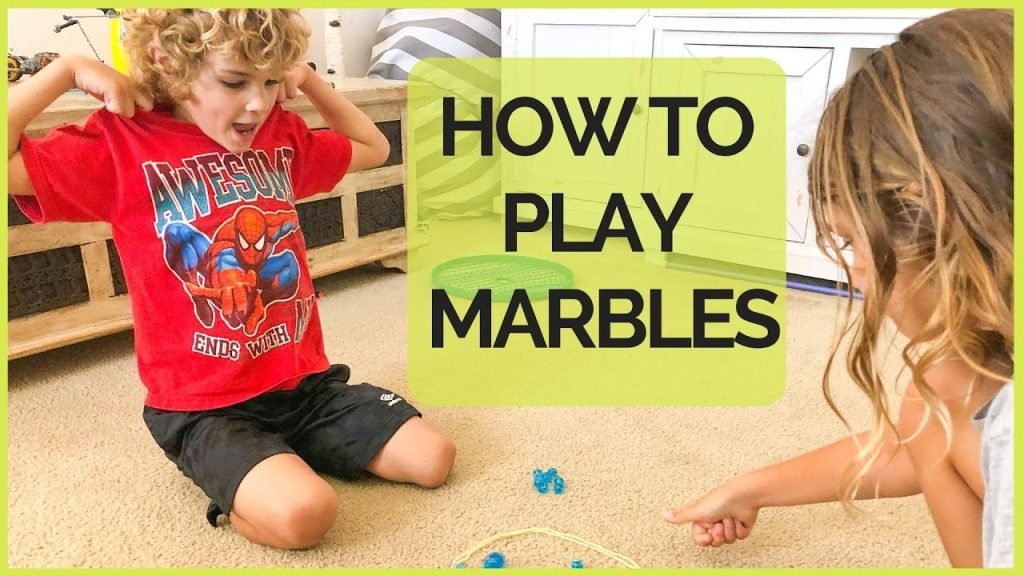
What You Need to Get Started
Before we dive into the nitty-gritty of gameplay, let’s cover the essential components you’ll need.
Plateau de jeu: The marbles board features a square or circular track with colored sections for each player. Each section includes starting areas and home spaces.
Marbles: You’ll need 5 marbles per player, typically in distinct colors (red, blue, green, yellow, etc.). Make sure they’re all the same size – inconsistent marble sizes can throw off the entire game balance.
Playing Cards: A standard 52-card deck plus jokers. Some variants use special marble game cards, but regular playing cards work perfectly fine.
2-6 Players: The game scales beautifully from intimate 2-player sessions to larger family gatherings.
Pro Tip: I always recommend having a few extra marbles on hand. Trust me, marbles have a magical ability to disappear under furniture at the worst possible moments.
How to Play Marbles Board Game
Board Game Setup: Getting Everything in Position
Here’s where proper setup becomes crucial for fair gameplay.
Step 1: Choose Your Colors
Each player picks a color and takes the corresponding 5 marbles. In team play (which works great with 4-6 players), partners sit directly across from each other.
Step 2: Initial Marble Placement
Place all 5 marbles in your starting area. This is typically a designated section of your color on the board.
Step 3: Card Distribution
Shuffle the deck thoroughly and deal 5 cards to each player. Place the remaining cards face-down as the draw pile.
The objective is straightforward: be the first player (or team) to move all your marbles around the board and into your home area.
Understanding Card-Driven Gameplay
This is where the marbles board game gets really interesting.
Unlike traditional marble games that rely purely on dexterity, this version uses cards to dictate marble movement. Each card has specific powers:
Aces: Move a marble out of the starting area OR move any marble 1 space forward.
Number Cards (2-10): Move a marble forward exactly that many spaces.
Jacks: Swap one of your marbles with any opponent’s marble on the board.
Queens: Move a marble 12 spaces forward.
Kings: Move a marble 13 spaces forward.
Jokers: These are your secret weapons. Move a marble directly from start to home, or use them for other special actions depending on your game variant.
Turn Structure and Strategic Positioning
Each turn follows a simple but strategic pattern:
- Draw one card to bring your hand to 6 cards
- Play one card to move your marbles
- Discard the played card and end your turn
But here’s where strategy comes into play:
Les règles du mouvement qui comptent
Marbles can jump over other marbles without penalty. However, they cannot land on a space occupied by another marble of the same color.
Landing on an opponent’s marble sends that marble back to their starting area. This capture mechanic transforms the game from simple racing into tactical warfare.
Safe Spaces
Many boards include safe spaces where marbles cannot be captured. Learning to use these strategically separates casual players from serious competitors.
Advanced Game Strategy Tips
After analyzing thousands of marble board games, I’ve identified several key strategic principles:
Early Game Focus
Prioritize getting all marbles out of your starting area as quickly as possible. Players who keep marbles trapped in start often struggle throughout the entire game.
Jack Attack Strategy
Save your Jacks for maximum impact. The ability to swap marbles can completely derail an opponent’s strategy or rescue your own marble from a dangerous position.
Joker Timing
Don’t waste jokers early in the game. These powerful cards become exponentially more valuable as you approach victory.
Team Communication
In team play, coordinate with your partner. Block opponents’ marbles while creating pathways for your teammate’s advancement.
Common Mistakes That Kill Your Chances
I’ve seen these errors destroy countless games:
Mistake #1: Rushing Forward
New players often advance their first marble as quickly as possible, leaving it vulnerable to capture. Spread your marbles strategically instead.
Mistake #2: Ignoring Defense
Focusing solely on your own advancement while ignoring opponents’ threats leads to frustrating setbacks.
Mistake #3: Poor Card Management
Playing high-value cards too early or holding defensive cards too long disrupts optimal strategy.
Victory Conditions and Winning Strategies
The first player or team to get all 5 marbles into their home area wins.
But here’s what most people miss:
The endgame requires exact movement. You can’t overshoot your home spaces, which means card management becomes absolutely critical in the final stages.
Competitive Play Considerations
For serious players, consider these advanced tactics:
- Calculate exact distances needed for each marble
- Hold cards that provide precise movement options
- Block opponents’ home entries when possible
- Use team coordination to create marble “trains” for protection
Game Variants and House Rules
The beauty of marbles lies in its adaptability. Popular variants include:
Speed Marbles: Play with 3 marbles per player for faster games.
Elimination Style: Remove captured marbles from the game entirely.
Partnership Rules: Teammates can play cards to move each other’s marbles.
Most families develop their own house rules over time. The key is ensuring everyone agrees before starting.
Why This Game Deserves Your Attention in 2025
Family game night options have exploded in recent years, but marbles maintains its appeal for several reasons:
Accessibilité: Easy to learn but difficult to master
Évolutivité: Works with various player counts
Social Interaction: Encourages both cooperation and competition
Strategic Depth: Rewards planning and tactical thinking
Bottom line? The marbles board game offers an perfect blend of luck and skill that keeps players engaged across age groups.
Whether you’re introducing children to strategic thinking or looking for a competitive game for adults, comment jouer au jeu de billes becomes an invaluable skill for any game collection.
The combination of simple rules, engaging gameplay, and endless strategic possibilities makes this classic worth rediscovering for your next family gathering.
 French
  English
  Chinese
  German
  Spanish