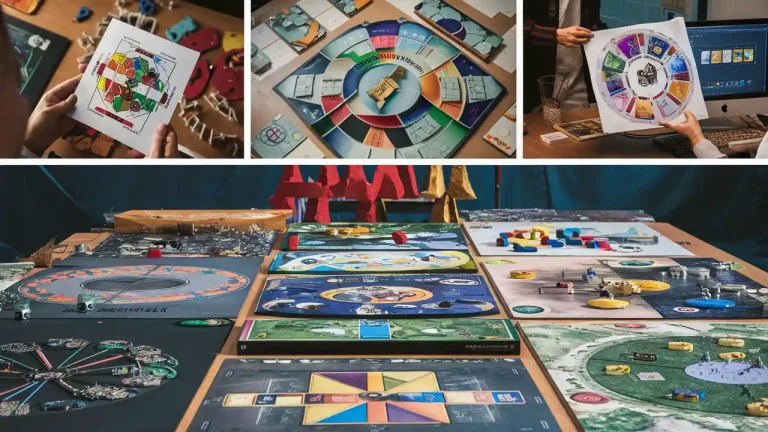
如何製作棋盤遊戲銷售:完整指南

製作一款真正好賣的桌上遊戲,不只是要有「酷的點子」。

事實上,每年有數以千計的桌上遊戲出版。但其中只有極少數能真正賺錢。

那麼,成功與失敗的遊戲之間有何差異?

好吧,在分析了數十個成功的棋盤遊戲發表會 (以及與從他們的遊戲賺到六位數的設計師談過) 之後,我找出了確切可行的流程。

而在今天的指南中,作為專業的 桌遊製造商我要告訴你 如何製作棋盤遊戲銷售 人們真正想要購買的產品。

讓我們直接進入正題。

如何製作棋盤遊戲銷售

如何製作可銷售的棋盤遊戲

步驟 1:在設計之前先驗證您的遊戲概念

事情是這樣的

大多數初次創作桌遊的人都會犯同樣的錯誤。

他們花了幾個月(甚至幾年)來完善遊戲機制。然後推出遊戲......卻鴉雀無聲。

為什麼?

因為他們一開始就沒有確認人們是否真的想要他們的遊戲。

這就是為什麼學習如何製作可銷售的桌上遊戲的第一步是市場驗證。

研究您的目標市場

在您設計一張卡片或遊戲作品之前,您必須先瞭解您的受眾。

問問自己

  • 誰來玩這個遊戲?
  • 您的目標年齡層是什麼?
  • 它可以容納多少玩家?
  • 理想的遊戲長度是多少?

舉例來說,如果您的目標客戶是忙碌的家庭,3 小時的策略遊戲可能行不通。但是 30 分鐘的派對遊戲?這可能是個贏家。

研究您類別中的成功遊戲

前往 BoardGameGeek 並查看您的類別中評分最高的遊戲。

什麼主題有效?什麼機制受到歡迎?人們願意支付多少錢?

我建議製作一個電子表格,至少包含 20 個與您的遊戲類似的成功遊戲。包括以下細節

  • 玩家人數
  • 遊戲長度
  • Price point
  • Key mechanics
  • Theme

This research will help you identify gaps in the market that your game could fill.

步驟 2:設計您的核心遊戲機制

Now comes the fun part: actually designing your game.

But here’s where most people go wrong…

They try to cram every cool mechanic they can think of into one game.

The result? A confusing mess that’s no fun to play.

Instead, start with ONE core mechanic that makes your game unique.

Focus on Your “Hook”

Every successful board game has a hook – something that makes people say “That sounds interesting!”

例如:

  • 大流行病: “What if players worked together instead of against each other?”
  • 翼展: “A strategy game about birds that’s actually relaxing”
  • 爆炸的小貓: “Russian roulette with cute cats”

What’s your hook?

保持簡單(起初)

Your first prototype should be as simple as possible.

Use the “one-page rule”: If you can’t explain your game in one page, it’s too complicated.

You can always add complexity later. But starting simple makes it easier to test and refine your core concept.

步驟 3:建立並測試您的原型

Time to get your hands dirty.

Your first prototype doesn’t need to look pretty. In fact, it SHOULDN’T look pretty.

為什麼?

Because you’re going to change everything based on playtesting feedback. And you don’t want to waste time on artwork that you’ll just throw away.

使用廉價材料

For your first prototype, use:

  • Index cards for cards
  • Paper and pencil for the board
  • Spare game pieces from other games
  • Printed tokens or counters

The goal is to create something playable as quickly and cheaply as possible.

及早並經常測試

Once you have a basic prototype, start testing immediately.

And I mean with REAL people. Not just your family (who will be nice to you no matter what).

Join local board game groups. Most cities have them, and the members are usually happy to try new games.

You can also test online using platforms like Tabletop Simulator.

步驟 4:根據回饋改善

Here’s where things get interesting…

Your first playtest is going to reveal problems you never saw coming.

Players will get confused by rules that seemed “obvious” to you. They’ll find strategies you never considered. They’ll suggest improvements you never thought of.

This is GOOD. It means your game is getting better.

提出正確的問題

During playtesting, ask specific questions:

  • “What was confusing?”
  • “Did you have fun?”
  • 「你還會再玩這個嗎?」
  • “What would you change?”
  • “How much would you pay for this game?”

That last question is crucial. If people aren’t willing to pay what you need to charge, you have a problem.

追蹤您的變更

Keep detailed notes on every change you make and why you made it.

This will help you avoid going in circles. And it’ll be valuable information when you’re writing your rulebook later.

步驟 5:創建專業的美工和設計

Once your game mechanics are solid, it’s time to make it look professional.

This is where many indie designers struggle. They either:

  1. Try to do the artwork themselves (and it looks amateur)
  2. Hire expensive artists they can’t afford

There’s a better way.

與自由藝術家合作

Platforms like Fiverr, Upwork, and 99designs are full of talented artists who specialize in board game design.

Look for artists who have experience with board games specifically. Their portfolios should include:

  • Game boards
  • Card designs
  • Iconography
  • Rulebook layouts

功能至上

Remember: pretty artwork won’t save a bad game. But it can definitely help a good game succeed.

Focus on making your components:

  • Easy to read
  • Consistent in style
  • Durable
  • Functional

步驟 6:選擇您的製造和銷售策略

Now comes the big decision: how are you going to get your game manufactured and sold?

You have three main options:

選擇 1:自行出版

This gives you the most control (and potentially the highest profits). But it also requires the most work and upfront investment.

You’ll handle:

  • Manufacturing
  • Marketing
  • Distribution
  • 客戶服務

Expect to invest $15,000-$30,000 for your first print run of 1,000-2,000 games.

選項 2:集資

Platforms like Kickstarter have revolutionized the board game industry.

The benefits:

  • Validate demand before manufacturing
  • Raise money upfront
  • Build a community around your game

The downsides:

  • Only about 35% of board game projects get funded
  • Requires significant marketing effort
  • Fulfillment can be complicated

方案 3:出版商合作

This is the lowest-risk option. An established publisher handles manufacturing, marketing, and distribution.

But you’ll give up most of the profits (expect 2-8% royalties) and creative control.

步驟 7:規劃您的市場策略

Whether you self-publish or crowdfund, you’ll need a solid marketing plan.

Here’s what works in 2025:

及早建立電子郵件名單

Start collecting email addresses from day one of your design process.

Share your design journey. Post photos of prototypes. Ask for feedback.

By launch time, you’ll have a built-in audience of people who are invested in your success.

善用社交媒體

Instagram and TikTok are incredibly powerful for board game marketing right now.

Post:

  • Behind-the-scenes design content
  • Gameplay videos
  • Component reveals
  • Designer insights

與桌遊社群聯繫

The board game community is incredibly supportive of new designers.

Engage with:

  • Board game reviewers on YouTube
  • Board game podcasts
  • BoardGameGeek 論壇
  • 當地遊戲商店
  • 遊戲大會

價格合理

Your pricing needs to work for both retail and direct sales.

一個好的經驗法則:

  • Manufacturing cost × 4 = Retail price
  • Manufacturing cost × 2 = Wholesale price to distributors

So if your game costs $10 to manufacture, you’d sell it for $40 retail and $20 wholesale.

步驟 8:啟動與迭代

Here’s something most people don’t talk about:

Your first game probably won’t make you rich.

But it WILL teach you invaluable lessons about game design, manufacturing, and marketing.

The most successful board game designers treat their first game as “tuition” – an expensive education that sets them up for future success.

從錯誤中學習

Track everything:

  • Sales numbers
  • Customer feedback
  • Manufacturing issues
  • Marketing performance

This data will be gold for your next game.

計劃下一場遊戲

Start thinking about your second game before you finish your first.

Why? Because building a sustainable board game business requires multiple products. One-hit wonders are rare in this industry.

應避免的常見陷阱

After studying dozens of failed board game launches, here are the biggest mistakes I see:

Overcomplicating the Rules: If it takes more than 10 minutes to teach, it’s too complex for most audiences.

Ignoring Production Costs: Always get manufacturing quotes BEFORE you finalize your design. Some components are much more expensive than others.

Underestimating Marketing: Even the best game won’t sell itself. Plan to spend 30-50% of your budget on marketing.

Rushing to Market: Take the time to playtest thoroughly. It’s much cheaper to fix problems before you manufacture 1,000 copies.

Copying Existing Games: Your game needs to offer something unique. “It’s like Monopoly but with zombies” isn’t enough.

底線

Learning how to create a board game to sell is part art, part science, and part luck.

But if you follow this process – validate first, design iteratively, test extensively, and market strategically – you’ll dramatically increase your chances of success.

Remember: the board game industry is booming. In 2025, it’s a multi-billion dollar market with room for innovative new games.

Your game could be the next breakout hit.

The key is to start small, learn fast, and always put the player experience first.

Because at the end of the day, the best answer to 如何製作棋盤遊戲銷售 is simple: create something people genuinely want to play.

發表回覆

發佈留言必須填寫的電子郵件地址不會公開。 必填欄位標示為 *

zh_HKChinese