

Die Gaming-Branche erlebt im Jahr 2025 etwas Faszinierendes.
Videospiele werden in noch nie dagewesenem Ausmaß in physische Brettspiele umgewandelt. Und ich spreche hier von großen Spielereihen: Fallout, Assassin’s Creed, Dark Souls und Dutzende weitere.
Warum sollte man Videospiele in Brettspiele umwandeln? Die Antwort liegt nicht nur in der Nostalgie. Es handelt sich um eine strategische Reaktion auf die digitale Ermüdung, das Verlangen nach sozialen Kontakten und die enormen Geschäftsmöglichkeiten auf dem $12-Milliarden-Markt für Brettspiele.
In diesem Leitfaden werden Sie als Fachmann Hersteller von Brettspielen, werde ich die acht wichtigsten Gründe aufschlüsseln, warum dieser Trend gerade so stark an Fahrt gewinnt. Außerdem werde ich Ihnen genau zeigen, was diese Anpassungen erfolgreich macht (und was nicht funktioniert).
Lassen Sie uns eintauchen.
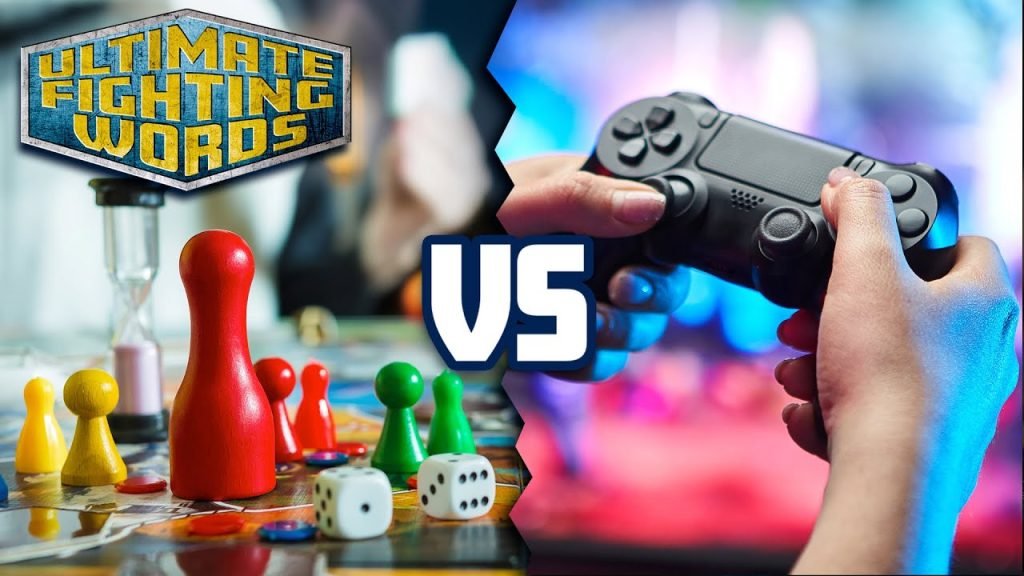
Warum Videospiele in Brettspiele umwandeln?
Die Revolution der digitalen Entgiftung
Die Sache ist die:
Die Menschen haben die Nase voll von Bildschirmen.
Eine aktuelle Studie hat ergeben, dass der Durchschnittsbürger täglich mehr als 7 Stunden damit verbringt, auf digitale Geräte zu schauen. Deshalb bieten Brettspiele etwas, was Videospiele einfach nicht leisten können: eine vollständige Auszeit von der Technik.
Mit Brettspiel-Adaptionen kannst du beliebte Spielwelten erleben, ohne dass dein Tag dadurch noch mehr Bildschirmzeit erfordert.
Nehmen wir zum Beispiel „Fallout: Das Brettspiel“. Es greift die postapokalyptische Erkundung und die Dynamik zwischen den Fraktionen der Videospielreihe auf. Aber statt auf einen weiteren Bildschirm zu starren, benutzt man hier echte Karten, Würfel und Figuren.
Das Ergebnis?
Die Spieler genießen das thematische Erlebnis, das sie so lieben, und gönnen ihren Augen (und ihrem Geist) gleichzeitig eine dringend benötigte Pause von der digitalen Überlastung.
Soziale Kontakte sind besser als Online-Interaktion
Videospiele können zu Isolation führen.
Klar, man kann sich über ein Headset mit seinen Teamkollegen unterhalten. Aber das ist nichts im Vergleich dazu, mit Freunden an einem Tisch zu sitzen, ihre Mimik zu beobachten und echte Reaktionen miteinander zu teilen.
Brettspiele fördern die persönliche Interaktion, die digitale Spiele nur schwer nachbilden können.
Und hier ist der Grund, warum das wichtig ist:
Wenn man eine Brettspiel-Adaption spielt, versteckt man sich nicht hinter einem Avatar oder einem Benutzernamen. Man ist präsent, engagiert und knüpft echte Kontakte zu den Menschen um sich herum.
„This War of Mine: Das Brettspiel“ ist ein perfektes Beispiel dafür. Das Videospiel ist ein eindringliches Einzelspieler-Erlebnis, bei dem es darum geht, in einer vom Krieg zerrütteten Stadt zu überleben. Die Brettspielversion verwandelt es jedoch in ein kooperatives Erlebnis, bei dem die Spieler zusammenarbeiten müssen, um schwierige moralische Entscheidungen zu treffen.
Und das Ergebnis?
Die soziale Dynamik beim Brettspielen sorgt für unvergessliche Erlebnisse, die einem noch lange nach Spielende in Erinnerung bleiben.
Der Faktor der taktilen Erfahrung
Physische Spielkomponenten haben etwas Magisches an sich.
Würfel werfen. Figuren verschieben. Karten mischen. Diese haptischen Erlebnisse sprechen Ihre Sinne auf eine Weise an, wie es das Klicken mit der Maus oder das Tippen auf einen Bildschirm niemals könnte.
Brettspieladaptionen von Videospielen machen sich dies zunutze, indem sie wunderschöne, greifbare Darstellungen digitaler Welten schaffen.
Nehmen wir zum Beispiel „Doom: Das Brettspiel“. Anstatt wie wild auf den Computerbildschirm zu klicken, um Dämonen zu erschießen, bewegst du physisch Marine-Miniaturen über detaillierte Kartenteile. Du würfelst mit einer ganzen Handvoll Würfeln für den Kampf. Du spielst mit echten Waffenkarten.
Durch die körperliche Interaktion wirkt jede Handlung bewusster und eindringlicher.
Profi-Tipp: Die erfolgreichsten Brettspieladaptionen von Videospielen legen großen Wert auf die Qualität der Spielkomponenten. Hochwertige Miniaturen, Spielsteine aus dickem Karton und erstklassige Grafiken machen das haptische Erlebnis noch fesselnder.
Barrierefreiheit und Inklusion
Videospiele haben Hindernisse.
Man braucht die richtige Konsole oder den richtigen Computer. Man braucht eine gute Hand-Augen-Koordination. Man muss komplexe Steuerungsschemata verstehen.
Brettspiele beseitigen die meisten dieser Hindernisse.
Jeder kann lernen, ein gut konzipiertes Brettspiel zu spielen, unabhängig von seiner Spielerfahrung oder seinen technischen Fähigkeiten. Dadurch werden Brettspieladaptionen von Videospielen für ein viel breiteres Publikum zugänglich.
„Fallout Shelter: Das Brettspiel“ ist ein Paradebeispiel für diesen Ansatz. Während das Handyspiel die Steuerung über ein Smartphone und Management in Echtzeit erfordert, basiert das Brettspiel auf einer einfachen Worker-Placement-Mechanik, die jeder schnell verstehen kann.
Das Ergebnis?
Großeltern können gemeinsam mit ihren Enkelkindern spielen. Auch Nicht-Gamer können mitmachen, ohne sich überfordert zu fühlen. Die Einstiegshürde sinkt erheblich.
Einzelspieler-Modus in Mehrspieler-Modus umwandeln
Viele beliebte Videospiele sind Einzelspieler-Erlebnisse.
Die „Elder Scrolls“-Reihe. Die Hauptkampagnen von „Fallout“. „Dark Souls“.
Brettspieladaptionen lösen dieses “Problem”, indem sie Mehrspieler-Versionen dieser Solo-Abenteuer schaffen.
„Dark Souls: Das Brettspiel“ verwandelt das für seinen hohen Schwierigkeitsgrad bekannte Einzelspieler-Videospiel in ein kooperatives Erlebnis. Die Spieler arbeiten zusammen, um dieselben brutalen Herausforderungen zu meistern, die das Originalspiel geprägt haben.
Diese Verwandlung eröffnet völlig neue Möglichkeiten, bekannte Spielwelten zu erleben.
Das ist das Interessante daran:
Manchmal stellt die Multiplayer-Brettspielversion sogar eine Verbesserung gegenüber dem ursprünglichen Konzept dar. Die Zusammenarbeit kann für strategische Tiefe und emotionale Bindung sorgen, die das Einzelspieler-Videospiel nicht erreichen konnte.
Die Geschäftsmöglichkeiten sind riesig
Lassen Sie uns über Zahlen sprechen.
Der weltweite Markt für Brettspiele wird bis 2026 voraussichtlich ein Volumen von fast $12 Milliarden erreichen. Gleichzeitig sind Videospiele die weltweit größte Unterhaltungsbranche.
Combining these markets? That’s a goldmine waiting to be tapped.
Video game publishers have figured this out. They’re licensing their intellectual property to board game companies because it’s essentially free money. They’ve already created the world, characters, and lore. The board game adaptation extends the franchise’s reach without additional development costs.
Crowdfunding has made this even more attractive. In 2025, video game board adaptations regularly raise millions of dollars on platforms like Kickstarter.
The numbers don’t lie:
Popular video game board adaptations often sell tens of thousands of copies at $60-100+ per unit. That’s serious revenue with relatively low production costs compared to developing a new video game.
Kreative Innovation durch Einschränkungen
Here’s something counter-intuitive:
The limitations of board games often lead to more creative designs.
When you can’t rely on complex AI, stunning graphics, or real-time action, you’re forced to distill a game’s essence into pure mechanics and theme.
This constraint breeds innovation.
Board game designers must ask: “What is the core experience that makes this video game special?” Then they rebuild that experience using only cards, dice, and boards.
The result is often a purer, more focused version of the original concept.
Slay the Spire: The Board Game demonstrates this perfectly. The video game’s digital card mechanics translate beautifully to physical cards, but the board game adds new tactical elements that enhance the strategic decision-making.
Die Nostalgie und die generationsübergreifende Anziehungskraft
Video games create emotional connections.
Players invest hundreds of hours in game worlds, forming deep attachments to characters, stories, and experiences.
Board game adaptations tap into this nostalgia while making these experiences shareable across generations.
A parent who played the original Fallout in 1997 can now share that world with their children through Fallout: The Board Game. The core themes and atmosphere remain intact, but the format is accessible to players of all ages and gaming backgrounds.
This cross-generational appeal is powerful.
It creates bonding opportunities that pure video games often can’t match. Grandparents, parents, and kids can all explore the same fictional universe together around the dining room table.
What Makes Adaptations Successful (And What Doesn’t)
Not all video game board adaptations work.
The most successful ones don’t try to directly recreate the video game experience. Instead, they capture the theme and feeling while completely reimagining the gameplay for the tabletop format.
Successful adaptations focus on:
- Core theme preservation: Maintaining the atmosphere and setting that made the original special
- Mechanics translation: Converting video game systems into engaging board game mechanics
- Component quality: Using premium materials that make the physical experience compelling
- Accessibility: Creating rules that welcome newcomers while satisfying fans
Failed adaptations often:
- Try to recreate every video game mechanic exactly
- Ignore the social aspects that make board games special
- Sacrifice gameplay for theme (or vice versa)
- Create overly complex rules that intimidate casual players
Die Zukunft der Brettspieladaptionen von Videospielen
This trend isn’t slowing down.
As digital fatigue increases and people crave more authentic social experiences, video game board adaptations will likely become even more popular.
We’re also seeing technological integration. Some adaptations now include companion apps that handle complex calculations or provide atmospheric sound effects without replacing the core physical experience.
The sweet spot seems to be:
Physical-first design with optional digital enhancements that supplement rather than replace the tabletop experience.
Erste Schritte mit Videospiel-Brettspielen
Interested in trying video game board adaptations yourself?
Here are my top recommendations for newcomers:
For strategy fans: Civilization: A New Dawn captures the empire-building experience in an accessible package.
For adventure seekers: Fallout: The Board Game offers exploration and narrative in the post-apocalyptic wasteland.
For cooperative players: This War of Mine creates powerful shared storytelling experiences.
For competitive players: Gears of War: The Board Game delivers tactical combat with gorgeous components.
Start with games based on video game franchises you already know and love. The familiarity will help you appreciate how the adaptation translates digital concepts to the tabletop.
Die Quintessenz
Why turn video games into board games? Because they solve real problems that digital gaming can’t address alone.
They provide social connection in an increasingly isolated world. They offer tactile experiences that engage our senses. They make complex game worlds accessible to broader audiences. And they create business opportunities in a rapidly growing market.
Most importantly, they prove that the best ideas can transcend their original medium. A great game concept works whether it’s powered by silicon chips or human imagination.
The question isn’t really why turn video games into board games. The question is: why didn’t we start doing this sooner?
Warum sollte man Videospiele in Brettspiele umwandeln? Because sometimes the best way to move forward is to go back to the basics of what makes gaming truly social, accessible, and unforgettable.
 German
  English
  Chinese
  French
  Spanish